Semax Half-Life: Plasma Clearance vs. Effect Duration
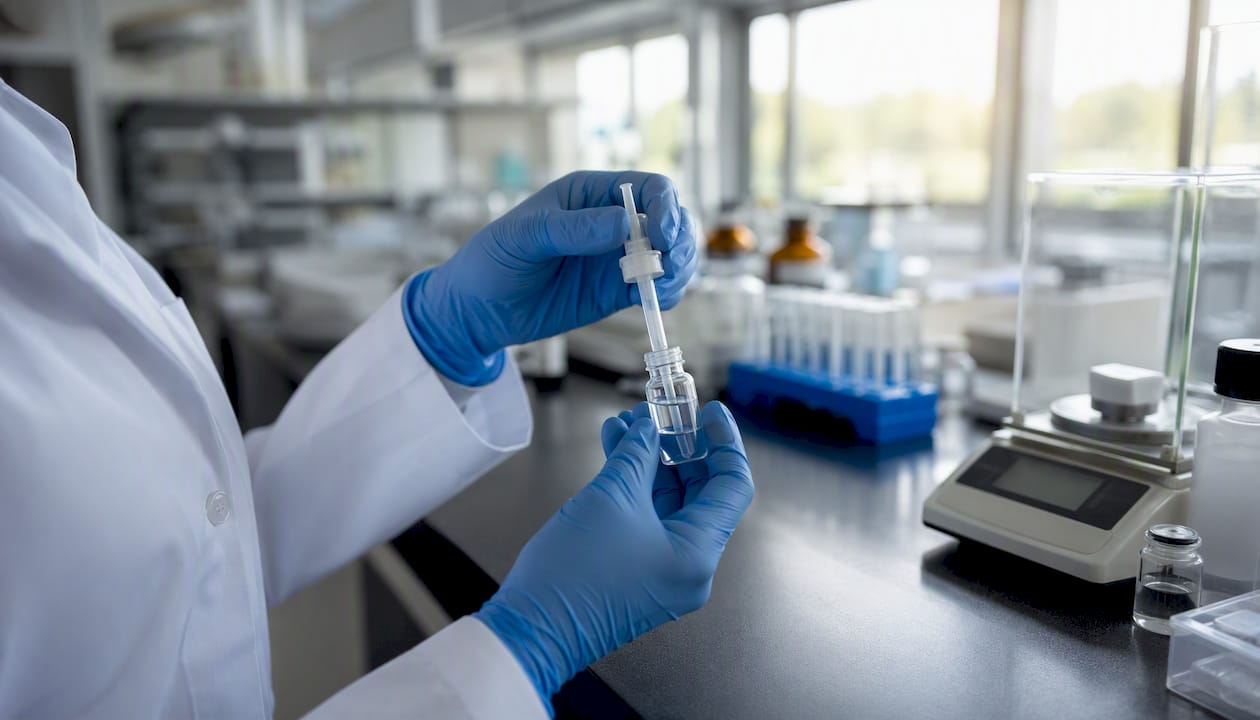
Semax clears from plasma rapidly, with preclinical data placing circulating half-life in the minutes range, yet measurable cognitive and transcriptional effects can persist for 4–24 hours after a single intranasal dose. That gap between plasma detectability and biological activity is the central fact researchers need to internalize before designing dosing schedules or sampling protocols.
The working numeric ranges, drawn from animal pharmacokinetics and human-facing clinical sources:
Plasma half-life: estimated at several minutes in preclinical models; in some protocols, evidence reviews note assay-dependent detectability up to 1–2 hours, but this is not confirmed by formal human PK studies
Functional effect window: approximately 4–24 hours for cognitive, EEG, and transcriptional endpoints, with BDNF/TrkB mRNA changes detectable at 3 hours and behavioral effects persisting up to 24 hours in rodent and human models
Human EEG and operator performance data from an early volunteer study suggest effects lasting into the following morning, approximately 20–24 hours after a single intranasal administration — but no formal human plasma half-life has been established in indexed literature, and estimates are extrapolated from animal studies and protocol observation.
The practical implication is direct: plasma half-life alone is the wrong metric for scheduling repeat doses or timing behavioral assessments. Pharmacodynamic (PD) markers, specifically BDNF protein and mRNA, EEG spectral changes, and task performance windows, are the appropriate anchors for dosing frequency decisions. A researcher who spaces doses based on plasma t1/2 alone will likely over-dose; one who ignores plasma clearance entirely will miss the optimal PK sampling window.
Key Takeaways
Semax’s plasma half-life is inferred from animal studies and is measured in minutes after intranasal dosing, with no formal human plasma half-life established; pharmacodynamic effects, driven by BDNF/TrkB signaling cascades, persist for hours to a day, making PD endpoints the correct anchor for dosing and sampling schedules.
Point Details Plasma t1/2 vs. effect window Plasma clearance occurs in minutes (animal PK); BDNF/TrkB and behavioral effects persist 4–24 hours post-dose. Optimal PK sampling Collect plasma at pre-dose, 5 min, 15 min, 30 min, and 60 min; add BDNF/mRNA at 3 h and 24 h. Intranasal route advantage Olfactory-mediated delivery increases CNS bioavailability relative to peripheral injection in animal models. Dosing timing Morning administration (200–600 µg/day for research) aligns with the PD window; split doses no later than early afternoon. PeptidesFromChina sourcing Research-grade Semax with HPLC/MS COA and batch traceability is available for B2B research procurement.
Table of Contents
What does the Semax half-life data actually show?
How Semax’s structure and modifications affect stability and CNS delivery
What dosing regimens and timing do research protocols use?
What animal and human studies show about onset and effect duration
How should researchers design sampling schedules for Semax studies?
What labs must verify when sourcing research-grade Semax
Safety, tolerability, and US regulatory status for research use
A practitioner’s note on half-life vs. effect duration
PeptidesFromChina supports researchers sourcing Semax for laboratory work
Sources
What does the Semax half-life data actually show?
The most cited numeric estimate for Semax’s plasma half-life comes from animal pharmacokinetic work rather than formal human concentration-time studies. Aggregated evidence reviews note that no full plasma concentration-time dataset from a controlled human PK study has been published in major PubMed-indexed English-language journals; most numeric estimates are inferred from rodent PK or drawn from Russian clinical literature.
With that caveat stated, the available data converge on a consistent picture:
Source type Sample matrix Reported t1/2 or detectability Key caveat Rodent PK models Plasma Minutes (rapid clearance) Species differences limit direct human extrapolation Aggregated evidence review Inferred human Minutes (upper estimates up to 1–2 h not confirmed) No formal human concentration-time curve published; upper limit is assay-dependent, not directly measured Clinical stroke protocols Plasma BDNF (PD marker) BDNF elevation sustained over course PD marker, not parent peptide concentration Human volunteer study (Kaplan et al.) EEG/performance Effects at 20–24 h post-dose Small sample; methods limit generalizability and no plasma PK data
Several methodological factors explain why reported values vary even within animal studies. First, species differences in plasma peptidase activity mean rodent clearance rates do not translate directly to human predictions. Second, sampling matrix matters: parent peptide concentration in plasma drops quickly, but tissue and CSF concentrations may follow a different curve. Third, LC-MS/MS sensitivity thresholds affect the lower detection limit; a peptide that appears “cleared” at standard sensitivity may still be present at sub-threshold concentrations. Fourth, active metabolites or receptor-bound fragments may contribute to ongoing PD activity even after the parent compound is undetectable.
Pro Tip: When designing a Semax PK study, prioritize dense early sampling: pre-dose, 5 minutes, 10 minutes, 15 minutes, and 30 minutes post-administration. A single 60-minute timepoint will almost certainly miss Tmax and underestimate peak exposure. If CNS effects are the primary endpoint, include CSF or brain tissue sampling at 3 hours and 24 hours where ethically and logistically feasible.
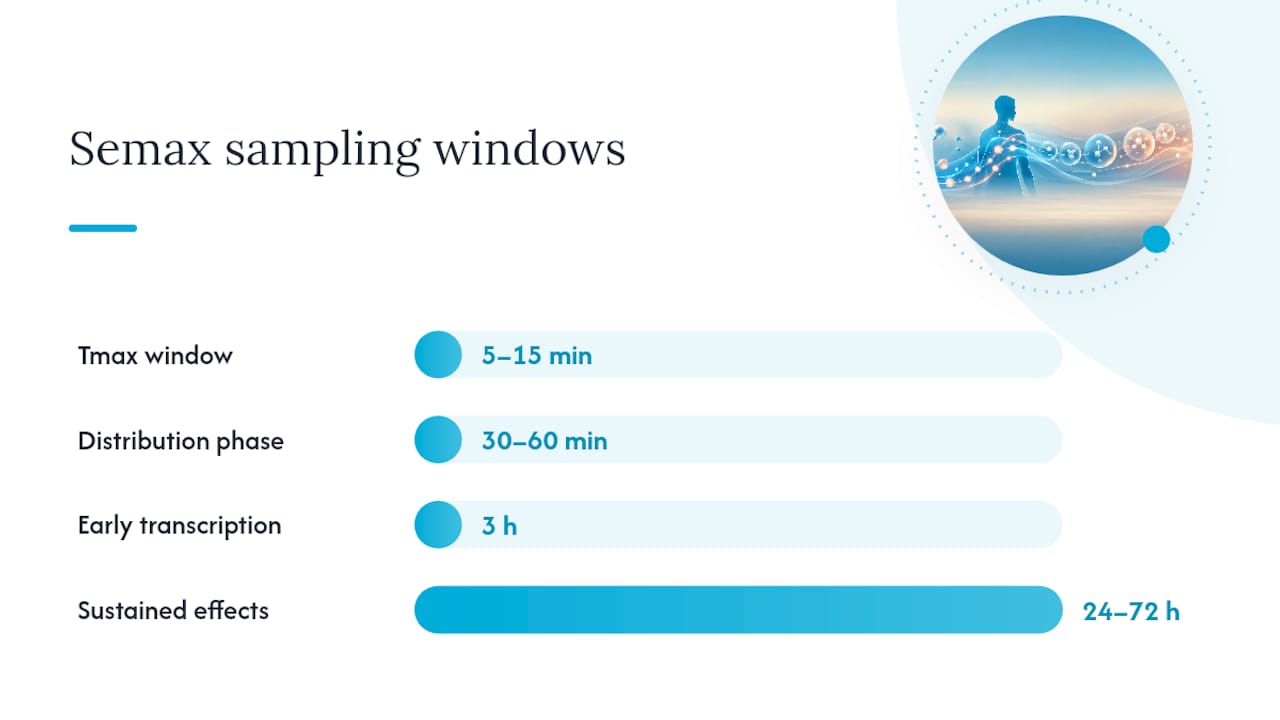
Sampling windows reported across the literature cluster at 5–15 minutes (Tmax range for plasma), 30–60 minutes (distribution phase), 3 hours (early transcriptional changes), and 24–72 hours (sustained neurotrophin expression and behavioral endpoints). Designing a study that covers only one of these windows produces an incomplete picture of Semax’s pharmacological time course.
How Semax’s structure and modifications affect stability and CNS delivery
Semax is a synthetic heptapeptide with the sequence Met-Glu-His-Phe-Pro-Gly-Pro (MEHFPGP), derived from the ACTH(4–10) fragment. Its chemical identifiers are catalogued in PubChem, providing a reference standard for analytical confirmation and method development.
The C-terminal Pro-Gly-Pro (PGP) tripeptide is the structural feature most directly responsible for Semax’s resistance to peptidase degradation. Proline residues at both ends of the PGP motif create steric hindrance that slows carboxypeptidase and endopeptidase attack. Preclinical mechanistic work confirms that this motif is central to the peptide’s prolonged biological activity despite rapid plasma turnover. Loss or truncation of PGP during synthesis dramatically reduces both metabolic stability and downstream neurotrophin responses, which is why sequence integrity on a COA matters beyond simple purity percentage.
The PGP tripeptide does more than resist proteases. Evidence suggests it may contribute to receptor-modulatory interactions that extend pharmacodynamic effects independently of measurable plasma peptide concentration, meaning the biological signal can outlast the detectable molecule.
Modifications: N-acetyl Semax amidate
N-Acetyl Semax Amidate (NA-Semax Amidate) adds N-terminal acetylation and C-terminal amidation to the base sequence. Both modifications reduce susceptibility to aminopeptidase and carboxypeptidase cleavage respectively, extending proteolytic stability beyond what PGP alone provides. The practical result is longer intranasal retention and, in community research practice, a perception of stronger or more sustained CNS effects at equivalent microgram doses. A detailed comparison of routes and stability data for NA-Semax Amidate is covered in the N-Acetyl Semax Amidate researcher’s guide.
Route-dependent CNS exposure
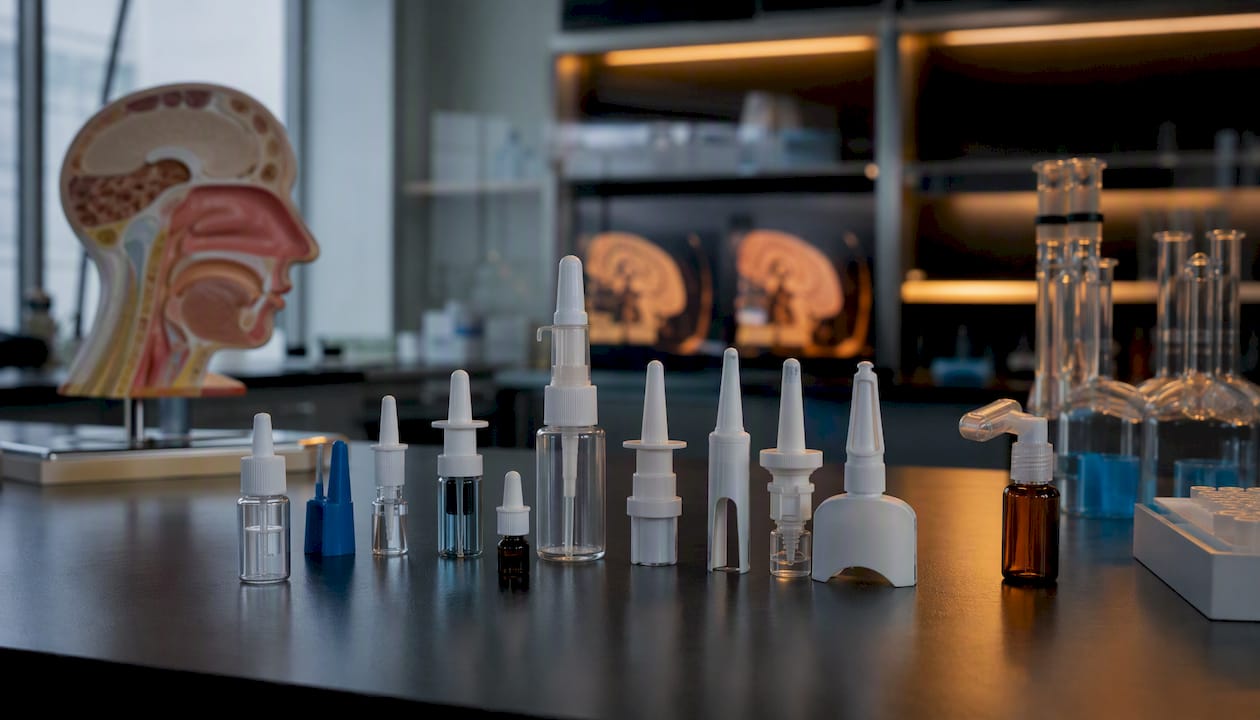
Intranasal delivery routes peptide directly through the olfactory epithelium and along olfactory nerve pathways, partially bypassing the blood-brain barrier. Animal studies comparing intranasal and intraperitoneal administration found intranasal Semax produced stronger improvements in learning tasks, supporting the inference that olfactory-mediated CNS delivery increases central bioavailability relative to peripheral injection.
Route CNS exposure mechanism Relative central effect Stability consideration Intranasal (0.1% / 1%) Olfactory nerve pathway; partial BBB bypass Higher in animal models Mucosal peptidase exposure; formulation pH matters Intraperitoneal / subcutaneous Systemic circulation; BBB-limited Lower in comparative models Plasma peptidase clearance dominant NA-Semax Amidate (intranasal) Same olfactory pathway; enhanced stability Potentially extended vs. base Semax Acetylation/amidation reduces enzymatic loss
For comparison, Selank (a heptapeptide anxiolytic derived from tuftsin) shares the intranasal delivery preference and similarly brief plasma half-life, but its primary PD profile is anxiolytic rather than nootropic/BDNF-driven. Reported effect durations for Selank are broadly comparable to Semax at the hours scale, though the receptor targets and downstream signaling differ.
Intracellular signaling cascades, particularly BDNF/TrkB activation, can persist well after enzymatic plasma clearance. This mechanistic principle explains why plasma t1/2 consistently underestimates the duration of Semax’s biological activity across multiple endpoints.
What dosing regimens and timing do research protocols use?
Standard intranasal research doses range from approximately 100–900 µg/day, with the most commonly cited research window at 200–600 µg/day. Formulation concentration determines the per-drop dose: a 0.1% solution delivers roughly 50 µg per drop, while a 1% solution delivers approximately 500 µg per drop. Clinical stroke protocols operate at substantially higher total daily doses.
Common dosing patterns in research and clinical practice:
Starter/exploratory dose: 100–200 µg/day (0.1% formulation, 2–4 drops)
Standard research dose: 200–600 µg/day, single morning administration or split into two doses
Split dosing rule: second dose no later than early afternoon (before 2–3 PM) to avoid dopaminergic/alerting effects interfering with sleep
Clinical stroke protocol (not for general research use): 6,000 µg/day in concentrated formulation, administered in courses of 10 days with 20-day intervals, as reported in post-stroke rehabilitation studies
Course duration in community research: 10–30 days, followed by 2–4 week washout periods
For a single-dose cognitive study, the recommended timing sequence is:
Administer intranasal Semax at a fixed morning time (e.g., 8:00 AM)
Begin cognitive battery or EEG recording at 30–60 minutes post-dose (onset window)
Primary performance assessment at 1–3 hours post-dose (peak PD window)
Optional follow-up assessment at 6–8 hours (sustained effect check)
BDNF plasma or mRNA sampling at 3 hours and 24 hours if neurotrophin endpoints are included
Pro Tip: For lyophilized vials, reconstitution volume directly determines per-drop concentration. Before any dosing protocol, verify the vial’s peptide content in milligrams and calculate the µg/drop value for your specific reconstitution volume. The Semax dosage conversion guide covers this calculation for common vial sizes.
NA-Semax Amidate is typically dosed at lower microgram amounts than base Semax due to its enhanced stability, though direct head-to-head human dose-equivalence data are not available in indexed literature. Researchers should treat the two compounds as distinct in terms of dose-response until comparative data exist.
What animal and human studies show about onset and effect duration
The time-course data for Semax’s pharmacodynamic effects come from two distinct evidence streams: preclinical rodent studies with molecular endpoints, and a smaller body of human protocol data with behavioral and EEG endpoints.
In rodent models, transcriptional changes in BDNF and TrkB receptors are detectable at 3 hours post-administration. Other neurotrophin markers in rat cortex following cerebral ischemia models show elevated expression at 24–72 hours. These timepoints confirm that the biological signal extends far beyond the plasma clearance window.
Study/model Species Sampling times Observed PD endpoint Evidence strength Rodent BDNF/TrkB transcription study Rat 3 h, 24 h, 72 h BDNF/TrkB mRNA upregulation Preclinical; well-controlled Kaplan et al. human volunteer study Human 20–24 h post-dose EEG changes; operator performance Small sample; limited methods detail Post-stroke rehabilitation protocol Human Course-level (10 days) Plasma BDNF elevation; Barthel index improvement Clinical protocol; no plasma PK curve
In the Kaplan et al. study, EEG and operator performance measures showed effects persisting into the morning following a single intranasal dose, approximately 20–24 hours after administration. The authors note the sample size and methods limit generalizability, but the direction of findings is consistent with the preclinical transcriptional time course.
The human clinical rehabilitation data add a different dimension. The stroke rehabilitation protocol reporting 6,000 µg/day courses documented sustained increases in plasma BDNF and improved Barthel index scores over the treatment course. This is a PD outcome measure rather than a plasma concentration curve, but it confirms that BDNF-mediated effects accumulate and persist at the clinical scale.
The honest limitation: no formal English-language human PK study with a full plasma concentration-time profile exists in indexed literature. Numeric half-life estimates for humans are inferred from animal data and aggregated clinical observation, not measured directly.
How should researchers design sampling schedules for Semax studies?
The core design principle is to decouple PK sampling from PD endpoint timing. Plasma sampling needs to be dense and early; PD endpoints need to be scheduled at biologically relevant windows hours later.
A practical sampling schedule for a single-administration cognitive study:
Pre-dose baseline: plasma sample, cognitive battery, EEG recording
5 minutes post-dose: plasma sample (Tmax capture)
15 minutes post-dose: plasma sample (distribution phase)
30 minutes post-dose: plasma sample; begin cognitive task battery
60 minutes post-dose: plasma sample; EEG recording
3 hours post-dose: plasma sample; BDNF mRNA/protein sample if tissue/blood available
24 hours post-dose: BDNF protein (plasma); follow-up cognitive battery
Pro Tip: Peptide loss during sample handling is a real confound. Use low-binding collection tubes (polypropylene, not glass), add a protease inhibitor cocktail to plasma samples immediately after collection, and process within 30 minutes or freeze at -80°C. Delayed processing or standard glass tubes can reduce measured peptide concentration by a meaningful margin before the sample reaches the instrument.
Assay selection affects what you can measure. LC-MS/MS offers the sensitivity and specificity needed to detect parent Semax peptide at low plasma concentrations, but requires method development and validated reference standards. ELISA-based BDNF assays are more accessible and appropriate for the PD endpoint. Using both in parallel gives the most complete picture of PK/PD relationships.
For dosing frequency decisions, the PD endpoint should drive the schedule rather than plasma t1/2. A single morning dose is appropriate for cognitive task studies where the primary window is 1–6 hours post-dose. Split dosing (morning and early afternoon) is more appropriate for studies measuring sustained daytime coverage of behavioral or neurophysiological endpoints. For measuring peptide efficacy across multiple endpoints. Pre-specifying the primary PD outcome and its expected time course before dosing prevents post-hoc rationalization of sampling windows.
Key experimental controls to include:
Vehicle control (matched intranasal formulation without active peptide)
Blinding of assessors to treatment condition
Washout period between crossover arms (minimum 48–72 hours given the 24-hour PD window)
Baseline BDNF measurement before each administration in multi-dose designs
What labs must verify when sourcing research-grade Semax
Sourcing quality for Semax is not a simple purity-percentage question. The peptide’s biological activity depends on sequence integrity, specifically the intact PGP C-terminus, and on the physical form delivered to the researcher. A COA showing 95% purity by HPLC tells you the dominant peak is the right size; it does not confirm the sequence is correct or that the PGP motif is intact.
Essential QC items to request from any supplier:
HPLC purity certificate (reverse-phase, with chromatogram, not just a percentage)
Mass spectrometry (MS) confirmation of molecular weight matching the target sequence (MEHFPGP; MW ~813 Da per PubChem)
Batch number and traceability documentation linking the vial to the synthesis run
Reconstitution specifications: sterile water for injection or bacteriostatic water, recommended volume, and pH range
Independent third-party assay report where available
A COA from the same facility that synthesized the peptide is a starting point, not a verification. Independent batch testing by a third-party analytical lab, using LC-MS/MS against a certified reference standard, is the only way to confirm both purity and sequence fidelity before the compound enters a study.
Storage and handling for lyophilized Semax:
Lyophilized powder: store at -20°C, protected from light and moisture; stable for 24 months under proper conditions
Reconstituted solution: store at 4°C for short-term use (up to 2 weeks); freeze at -20°C for longer storage; avoid repeated freeze-thaw cycles
Single-use aliquots are preferable for multi-week studies to minimize degradation from repeated opening
The manufacturing reality is that most research peptides sold in the US originate from API manufacturers in China, passing through varying numbers of intermediary resellers before reaching the end lab. Each step in that chain introduces the possibility of repackaging, mislabeling, or degradation from improper cold-chain handling. Requesting direct documentation of the synthesis facility, not just the reseller’s COA, is a reasonable due-diligence step for any study where compound identity is critical to the result.
Lyophilization failure modes to watch for: incomplete lyophilization leaves residual moisture that accelerates degradation; vials that appear cloudy after reconstitution or show visible particulates should not be used. Batch traceability matters here because a single failed lyophilization run can affect an entire lot.
Safety, tolerability, and US regulatory status for research use
Semax has been used in clinical settings in Russia and Eastern Europe for decades, primarily for stroke rehabilitation and cognitive applications. The human tolerability profile from clinical protocols is generally reported as favorable, with adverse events in published studies being mild and transient.
Clinical protocols and human volunteer studies report that Semax is generally well-tolerated at research doses, with the most commonly noted adverse effects being mild nasal irritation from the intranasal formulation and transient headache. No serious adverse events attributable to Semax were reported in the stroke rehabilitation study at 6,000 µg/day course doses.
Common tolerability observations from the literature:
Nasal irritation or mild rhinitis with intranasal administration
Transient headache, typically resolving within hours
Alerting or stimulant-like effects at higher doses, which can affect sleep if dosed late in the day
No significant cardiovascular or hepatic adverse events reported in available clinical data
Regulatory status in the United States is unambiguous: Semax is not approved by the FDA for any clinical indication. It is not listed as a scheduled substance under the Controlled Substances Act, but it is also not approved as a drug, dietary supplement, or medical device. Its legal status in the US is as a research compound, meaning it may be purchased and used for laboratory research purposes but not for human therapeutic use outside of an approved clinical protocol.
Institutional steps for US-based researchers:
Obtain IRB approval before any human administration study; IRB review should address the research-only status of the compound and the absence of FDA approval
Obtain IACUC approval for any animal studies
Confirm import compliance if sourcing from overseas manufacturers; research compounds may require documentation of research-only use at the point of import
Maintain a compound use log documenting lot numbers, quantities, and study assignments for each batch
Report any unexpected adverse events through the institution’s standard pharmacovigilance or adverse event reporting process
This article provides general scientific information about Semax pharmacokinetics and research use. It is not medical or clinical advice, and researchers should confirm current regulatory requirements with their institution’s compliance office or a qualified regulatory professional.
A practitioner’s note on half-life vs. effect duration
The plasma half-life framing for Semax is technically accurate and practically misleading at the same time. Researchers who treat a minutes-range t1/2 as the primary scheduling parameter end up either over-dosing to maintain plasma levels that don’t need maintaining, or dismissing the compound’s effects as too brief to be worth studying carefully.
The more useful mental model is to treat Semax as a signal initiator. The peptide’s job is to engage receptors and trigger intracellular cascades, particularly BDNF/TrkB signaling, that then run on their own timeline. Once that cascade is initiated, the plasma concentration of the parent peptide becomes largely irrelevant to the duration of the biological response. This is not unique to Semax; it applies to many short peptides and small molecules whose receptor residence time or downstream signaling persistence far exceeds their plasma half-life.
In practice, this means morning dosing for cognitive studies makes sense not because plasma levels are maintained through the morning, but because the PD window aligns with the period when cognitive testing is most reliable and when BDNF-mediated effects are building. Intranasal delivery is preferred for CNS-focused work because the olfactory pathway delivers more peptide to the central compartment per microgram administered than peripheral injection does. And independent batch verification matters because a truncated or degraded peptide that lacks the PGP motif will not initiate the same cascade, regardless of what the purity percentage says.
The gap between what plasma pharmacokinetics predicts and what the biology actually does is where most of the interesting Semax research lives.
PeptidesFromChina supports researchers sourcing Semax for laboratory work
Research-grade Semax with batch-level COA documentation is available through PeptidesFromChina’s catalogProducts are subject to the manufacturer’s applicable quality-control procedures and specifications. Manufacturer-side analytical documentation may be available depending on the product and batch. PeptidesFromChina is not an independent analytical testing laboratory.
The procurement workflow is straightforward: submit a sourcing inquiry specifying compound, quantity, and any documentation requirements; receive current stock confirmation and discuss any available manufacturer documentation during processing. PeptidesFromChina operates on a B2B, research-only model. No therapeutic or clinical use recommendations are provided, and all materials are supplied for laboratory research purposes only. Labs sourcing multiple compounds, including related peptides such as research-grade Epithalon, can consolidate requests through a single inquiry. Contact PeptidesFromChina directly to request COA documentation, discuss batch verification options, or confirm current stock for your research timeline.
Sources
The human PK literature for Semax is thin in English-indexed databases. Most numeric half-life estimates originate from animal studies or are inferred from Russian clinical practice. Researchers building a protocol should treat the sources below as a starting framework and conduct a targeted search of Russian-language clinical literature (available in part through PubMed abstracts) for additional human protocol data.
Nootropic Semax in humans (Kaplan et al., accepted 1996) — Neurosci Res Commun PDF
Semax effects on learning capability and administration route comparisons — PubMed (PMID 21268834)
Mechanistic work on signaling persistence vs plasma clearance — ScienceDirect listing
Semax Half-Life: Minutes Intranasal (evidence review) — Halflife Labs
This article is general information, not a substitute for advice from a qualified doctor. Consult a qualified healthcare professional about your own circumstances before acting on anything here.