Peptides From China Catalog Blog How It Works How to Pay Track Order FAQ Contact News

Long-Term Storage of BPC-157: A Professional Laboratory Protocol for 2026

Learn the professional protocol for long term storage of BPC-157. Protect your lab's bulk inventory from degradation with our technical guide for 2026.

Long-Term Storage of BPC-157: A Professional Laboratory Protocol for 2026

A standard laboratory freezer is often the graveyard of high-purity peptides, not because of the temperature, but because of improper environmental control. You likely understand the frustration of investing in bulk inventory only to face uncertainty about batch potency six months later. In a market where supply chain opacity is common and manufacturer-issued papers are merely a baseline, the responsibility for maintaining stability falls squarely on your procurement and storage protocols. Ensuring the long term storage of BPC-157 requires more than just a cold environment; it demands a systematic approach to preventing moisture contamination and peptide degradation.

This article provides a technical framework for researchers who need to maintain BPC-157 stability for two years or longer. We'll outline a professional Standard Operating Procedure that distinguishes between short-term refrigeration and multi-year deep-freeze requirements. You'll learn the specific environmental controls necessary to mitigate hygroscopy and the steps required for post-storage verification to protect your laboratory from significant financial loss. By moving beyond retail-level storage habits, you can ensure that your research remains grounded in consistent, verifiable data.

Key Takeaways

  • Understand how the pentadecapeptide structure of BPC-157 dictates its susceptibility to hydrolysis and why lyophilization is the critical first line of defense.

  • Establish a professional laboratory protocol that utilizes constant -20°C environments for the long term storage of BPC-157 to maintain batch integrity for 6 to 24 months.

  • Implement secondary containment strategies, such as desiccated vacuum-sealing, to mitigate the risks of hygroscopic moisture contamination in bulk powder inventory.

  • Learn to identify physical indicators of degradation through periodic visual inspections of the lyophilized cake structure and structured FIFO inventory tracking.

  • Reduce supply chain uncertainty by sourcing directly from manufacturer channels to minimize the environmental exposure typical of domestic reseller warehousing.

Table of Contents

  • The Science of BPC-157 Stability: Lyophilized vs. Reconstituted

  • Protocol for Long-Term Lyophilized Powder Storage

  • Mitigating Moisture and Oxidation Risks in Bulk Inventory

  • Monitoring and Documentation: Tracking Batch Integrity

  • Sourcing for Stability: Why Direct Channels Reduce Risk

The Science of BPC-157 Stability: Lyophilized vs. Reconstituted

BPC-157 is a pentadecapeptide, meaning it consists of a specific sequence of 15 amino acids. The biological activity of this compound is entirely dependent on the integrity of that sequence. If a single bond breaks, the peptide is no longer functionally the same. We define BPC-157 stability as the specific period before primary sequence fragmentation occurs. In a professional laboratory setting, maintaining this integrity is the difference between reliable research and a failed experiment. Most researchers rely on manufacturer-issued HPLC reports as a baseline, but these documents only reflect a single point in time. Real-world stability depends on how the material is handled after it leaves the synthesis lab.

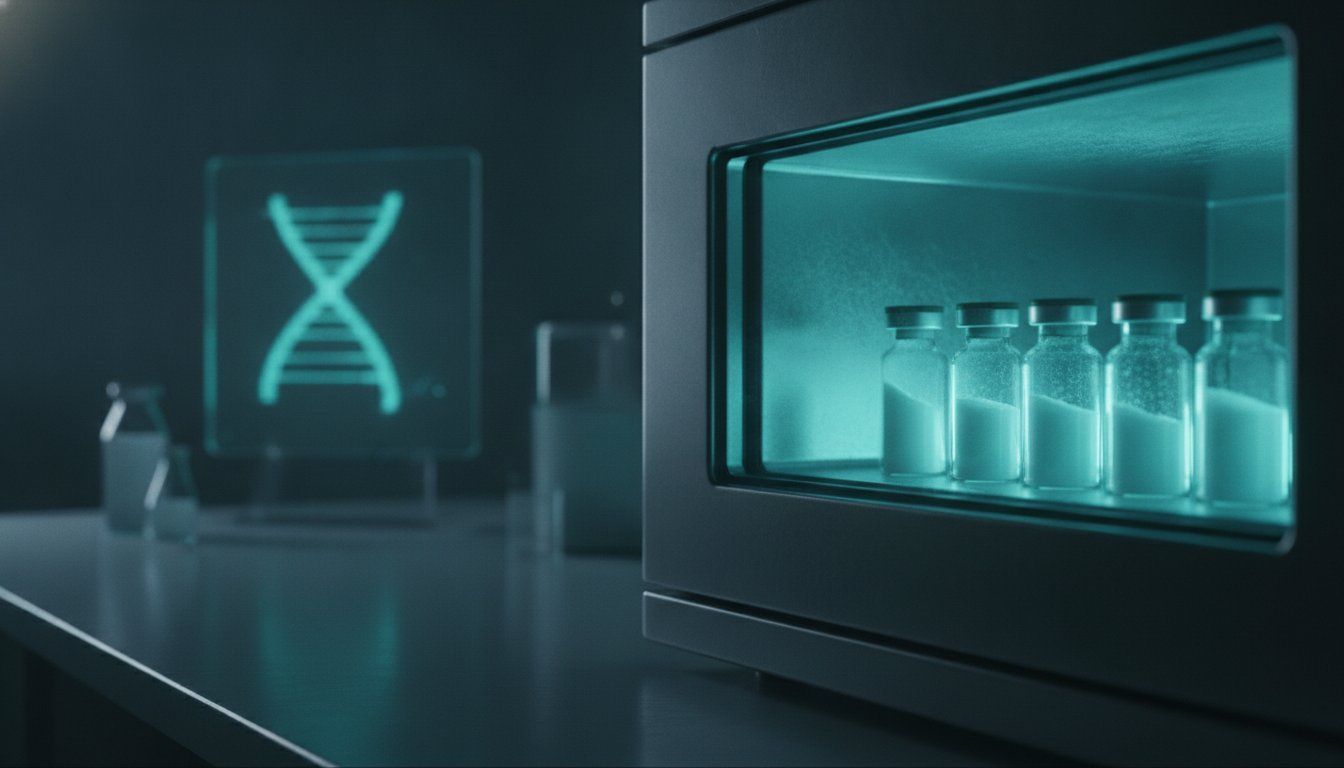
Lyophilization, or freeze-drying, is the industry standard for stabilization. By removing water through sublimation, manufacturers significantly slow down the processes of hydrolysis and enzymatic degradation. Without water as a medium, the chemical reactions that would otherwise pull the peptide apart are effectively put on hold. For procurement professionals managing bulk inventory, the long term storage of BPC-157 in its lyophilized form is the only viable way to ensure potency over a 24 month window. Effective long term storage of BPC-157 relies on maintaining this solid state for as long as possible before the compound is required for active use.

Why Reconstitution Shortens Shelf Life

The transition from a stable solid to a volatile liquid occurs immediately upon reconstitution with bacteriostatic water. Introducing an aqueous environment facilitates rapid hydrolysis of the peptide bonds. While bacteriostatic water contains preservatives like benzyl alcohol to inhibit microbial growth, it doesn't stop the chemical breakdown of the sequence. In a lyophilized state, BPC-157 can remain stable for over 2 years at proper temperatures. Once reconstituted, that window shrinks to approximately 3 weeks. Even with preserved diluents, the potential for microbial contamination and chemical instability increases every day the peptide remains in solution.

Degradation Pathways: Oxidation and Hydrolysis

Chemical degradation typically follows two paths: oxidation and hydrolysis. UV light and oxygen exposure trigger side-chain modifications that alter the peptide's molecular weight and purity. Temperature plays a critical role here. According to the Arrhenius equation, chemical reaction rates increase as temperature rises. Small fluctuations in a standard freezer can accelerate these reactions over time. You can often spot degradation through visual cues like clumping of the powder, discoloration, or a loss of the vacuum seal in the vial. If the lyophilized cake has collapsed or turned yellow, the sequence integrity is likely compromised, regardless of what the original COA claimed.

Protocol for Long-Term Lyophilized Powder Storage

Temperature control is the primary variable within a researcher's direct influence. While you can't retroactively fix a manufacturer's synthesis errors or a reseller's shipping delays, you can dictate the environmental conditions once the batch arrives. For the long term storage of BPC-157, the industry baseline for maintaining sequence integrity is a constant -20°C. This temperature significantly reduces the kinetic energy available for chemical degradation, preserving the lyophilized cake for up to 24 months. If your research involves active projects with high-turnover inventory, refrigeration at 4°C is acceptable for a 1 to 3 month window. However, relying on refrigeration for bulk inventory is a risk that often leads to measurable potency loss.

A common but dangerous mistake in the peptide industry is the use of domestic "frost-free" freezers. These units are designed to prevent ice buildup by periodically warming the internal coils. This thermal cycling creates a micro-climate where the temperature fluctuates by several degrees multiple times a day. For sensitive pentadecapeptides, this leads to moisture migration and potential crystallization within the vial. True long term storage of BPC-157 requires a dedicated laboratory-grade freezer that maintains a stable, non-cycling environment. For archival purposes or high-value bulk batches intended for use beyond two years, ultra-low temperature (ULT) freezers at -80°C are the only reliable option for longitudinal studies.

Temperature Benchmarks for Research Labs

Establishing clear benchmarks helps procurement officers manage stock based on expected usage rates. We recommend the following categorization for laboratory inventory:

  • 4°C: Suitable for active laboratory work and inventory that will be reconstituted within 90 days.

  • -20°C: The mandatory standard for wholesale procurement and managing stock levels over 6 to 24 months.

  • -80°C: Reserved for reference standards and multi-year archiving to ensure the primary sequence remains unchanged.

The Importance of Thermal Stability

Frequent opening of storage units is a subtle but persistent threat to batch integrity. Every time the door opens, the internal micro-climate is compromised, introducing humidity and heat. Dedicated peptide-only storage is a necessity, not a luxury. It prevents cross-contamination and ensures that the cooling system isn't taxed by unrelated logistical traffic. For procurement professionals managing wholesale orders, which typically involve a $600 minimum through manufacturer-side channels, implementing digital temperature logging and alarm systems helps reduce supply chain uncertainty. Sourcing through a transparency-focused bridge like Peptides From China ensures that your batch moves from the production line to your controlled environment with minimal intermediary exposure, supporting better traceability and long-term stability.

Mitigating Moisture and Oxidation Risks in Bulk Inventory

Temperature control is useless if the physical integrity of the vial is compromised. While previous sections detailed the necessity of a constant -20°C environment, the atmospheric conditions inside your storage unit pose an equally significant threat. BPC-157 is highly hygroscopic, meaning the lyophilized powder actively attracts atmospheric moisture. If a vial seal is even slightly imperfect, the powder will pull in humidity, leading to the collapse of the lyophilized cake and accelerated hydrolysis. For procurement professionals managing bulk inventory, managing the long term storage of BPC-157 requires a multi-layered defense strategy that goes beyond the primary glass container.

Secondary containment is the standard for managing wholesale volumes, which typically involve 100 or more vials per batch. We recommend utilizing vacuum-sealed bags or heavy-duty desiccated containers within the freezer. This creates a redundant barrier against the high-humidity environment of a cooling unit. Additionally, neutral, opaque packaging is essential. While light-induced degradation is less aggressive than thermal damage, prolonged exposure to UV or even ambient laboratory light can trigger side-chain modifications. Professional sourcing channels prioritize neutral boxing specifically to shield the peptide during both transit and extended storage periods.

Managing the 'Thaw Cycle' is perhaps the most overlooked operational detail in peptide logistics. You must allow vials to reach room temperature before breaking the vacuum seal or opening the secondary containment. Opening a frozen vial in a humid room causes immediate condensation on the powder surface. This moisture introduction effectively begins the degradation process before you've even added a diluent. For researchers, patience during the equilibration phase is a mandatory step in the protocol for the long term storage of BPC-157.

Vial Integrity and Seal Verification

Direct-from-manufacturer synthesis typically utilizes professional crimp-sealed vials with high-grade rubber stoppers. These are vastly superior to the snap-caps often found in the retail market, which are prone to losing their vacuum during thermal shifts. When auditing bulk stock, inspect the flip-top caps for signs of tampering or loose fitting. A significant risk in the current market involves 're-vialed' products, where resellers purchase bulk powder and package it in non-sterile, poorly controlled environments. This practice often results in compromised seals and variable synthesis quality that no reused COA can accurately reflect.

Desiccation Strategies for High Humidity Environments

In regions with high ambient humidity, primary and secondary barriers may not be enough. We suggest placing silica gel packets within your secondary vacuum bags to maintain an internal humidity level of less than 10%. For high-value batches where oxidative stress is a concern, oxygen scavengers can be added to the containment. Proper labeling is also vital; use cryogenic-stable labels that won't peel or degrade at -20°C. Maintaining batch traceability without compromising the vial surface ensures that your first-in, first-out (FIFO) system remains functional throughout the storage lifecycle.

Long term storage of BPC-157

Monitoring and Documentation: Tracking Batch Integrity

Most laboratories treat storage as a passive activity, but professional procurement requires active monitoring. Implementing a First-In, First-Out (FIFO) inventory system is the first step in managing wholesale orders. This ensures that the oldest batches are reconstituted first, minimizing the total duration of the long term storage of BPC-157 across your entire inventory. Passive neglect often leads to the discovery of degraded material only when it's too late for replacement or independent verification. Maintaining a structured queue is essential for operational consistency.

Periodic visual inspections are a mandatory part of this protocol. You should check the lyophilized cake structure for any signs of collapse, shrinkage, or discoloration. These physical changes are often the first indicators of seal failure or moisture ingress. A detailed storage log must be maintained, documenting every temperature deviation or power outage. Even a brief excursion above -20°C can have cumulative effects on sequence stability over a two-year period. Documentation provides the audit trail necessary to justify the use of a batch in critical research phases.

Relying solely on the manufacturer's Certificate of Analysis (COA) is a common industry pitfall. A COA is merely a snapshot of the peptide's state at the moment of synthesis. To truly verify the success of your long term storage of BPC-157, you must utilize peptide testing and analysis from an independent laboratory. This provides reference analytical data that manufacturer-issued papers cannot provide months after the synthesis date. It's the only way to ensure that your environmental controls have actually preserved the material's purity.

Interpreting HPLC and MS Reports Post-Storage

When reviewing HPLC chromatograms after 12 months, look specifically for new degradation peaks that weren't present in the baseline report. These secondary peaks indicate that the primary 15 amino acid sequence has begun to fragment. Mass Spectrometry can further confirm if the molecular weight still aligns with the target compound. Independent testing is the only way to verify if storage protocols were successful. If the purity has dropped below your required threshold, the batch should be decommissioned regardless of its initial synthesis quality.

Inventory Management for Research Institutions

Strategic batch ordering is the most effective way to reduce the risks associated with long-term archiving. By optimizing procurement to meet the $600 minimum required for manufacturer-side channels, you can ensure a cycle of fresh synthesis rather than sitting on aging stock. Effective wholesale peptides procurement requires a dedicated storage SOP that integrates these monitoring steps into the daily laboratory workflow. This methodical approach helps reduce supply chain uncertainty and protects your financial investment. If you are looking to improve your batch traceability and minimize reseller layers, you can access professional B2B sourcing channels here.

Sourcing for Stability: Why Direct Channels Reduce Risk

The success of your laboratory's protocol depends heavily on the condition of the peptide before it ever reaches your freezer. A significant and often overlooked threat to batch integrity is the "reseller lag." In the standard retail market, peptides frequently sit in domestic warehouses for months, often stored in suboptimal conditions that ignore the strict temperature requirements discussed in previous sections. By the time a researcher receives the product, the window for effective long term storage of BPC-157 has already been compromised by ambient temperature exposure and improper handling. This intermediary delay effectively eats into the stability lifecycle of the compound.

Direct-to-manufacturer sourcing eliminates these unnecessary domestic warehousing layers. When a peptide moves directly from the synthesis facility to vacuum-sealed packaging and international transit, the exposure to environmental stressors is minimized. Peptides From China operates as a peptide sourcing platform that facilitates this direct access, ensuring that researchers receive the freshest possible batches. This is particularly critical for bulk BPC-157 wholesale orders where the financial stakes and the need for longitudinal consistency are highest. Neutral, tracked international shipping is the only way to maintain a predictable chain of custody from the production line to your lab.

Initial synthesis quality, specifically the level of residual moisture left after lyophilization, dictates the success of your storage efforts. If a manufacturer fails to achieve a deep vacuum or leaves more than 3% residual moisture in the cake, the peptide will degrade from within via hydrolysis, regardless of your freezer's temperature. High-quality synthesis at the source is the foundation upon which the long term storage of BPC-157 is built. Without this initial manufacturing precision, even the most advanced laboratory SOPs will fail to prevent sequence fragmentation over a 24-month period.

The Transparency-First Sourcing Model

Reducing supply chain uncertainty requires a shift away from trusting reseller-provided documentation. We utilize a model where a $10 processing deposit initiates direct verification with Chinese synthesis facilities, allowing for better traceability of the batch's origin. However, even with direct access, we maintain that manufacturer-issued papers are merely baseline references. Independent third-party analysis remains a necessity for any researcher who requires factual verification of purity and identity. This skeptical, data-driven approach is the only way to protect your research from the variable synthesis quality inherent in the global market.

Optimizing Procurement for Long-Term Projects

Large-scale research projects should be planned around fresh synthesis cycles to maximize the available storage life of the inventory. By coordinating procurement with manufacturer-side channels, you ensure better batch consistency, which is vital for longitudinal studies that span multiple years. Professional procurement typically requires a $600 minimum order, a threshold that supports the logistics of direct-from-factory shipping. This methodical approach ensures that the COA-verified batches you receive match the specific requirements of your laboratory's storage capabilities, reducing the risk of unexpected potency loss during archiving.

Establishing a Resilient Protocol for Peptide Archiving

Maintaining the sequence integrity of a pentadecapeptide over two years requires a shift from passive storage to active environmental management. You've established that constant -20°C refrigeration and secondary desiccated containment are the primary defenses against hydrolysis and oxidative stress. By implementing a methodical FIFO inventory system and conducting periodic visual audits, you can effectively monitor batch health and minimize potential financial loss. A disciplined approach to monitoring ensures that your research remains grounded in stable, reliable material.

Successful long term storage of BPC-157 begins with initial synthesis quality and the elimination of intermediary warehousing delays. Sourcing through manufacturer-side channels helps reduce supply chain uncertainty by ensuring your inventory arrives with minimal environmental exposure. For researchers ready to move beyond the opacity of the retail market, Peptides From China facilitates access to COA-referenced batches via neutral, tracked international shipping. You can secure direct-to-manufacturer BPC-157 sourcing with Peptides From China for wholesale orders starting at a $600 minimum. Establishing these rigorous protocols today ensures your research data remains consistent and reproducible well into the future.

Frequently Asked Questions

How long can lyophilized BPC-157 be stored at room temperature?

Lyophilized BPC-157 remains stable at room temperature for approximately 2 to 4 weeks without significant sequence fragmentation. While the peptide is resilient enough to withstand standard international transit, prolonged exposure to ambient heat will eventually trigger hydrolysis. For any duration exceeding one month, refrigeration is mandatory to prevent measurable potency loss and maintain the integrity of your research material.

Can I freeze BPC-157 after it has been reconstituted?

You shouldn't freeze BPC-157 once it's been reconstituted with bacteriostatic water. The formation of ice crystals within the aqueous solution can physically shear the peptide bonds, leading to immediate degradation. Reconstituted vials should be stored at 2-8°C and used within a 3-week window. Repeated freeze-thaw cycles are particularly damaging and will lead to inconsistent experimental results.

What is the best temperature for storing bulk BPC-157 for over a year?

The optimal environment for the long term storage of BPC-157 for periods exceeding 12 months is a constant -20°C. For multi-year longitudinal studies or archiving reference standards, an ultra-low temperature (ULT) freezer at -80°C is the professional standard. These temperatures minimize the kinetic energy available for chemical reactions, effectively putting the primary 15 amino acid sequence into a state of stasis.

Does light exposure really degrade BPC-157?

Prolonged light exposure, particularly UV radiation, triggers side-chain modifications and oxidative stress in the peptide structure. While BPC-157 isn't as photosensitive as certain other compounds, it's standard laboratory practice to use opaque secondary containment. Most professional synthesis facilities utilize neutral boxing to shield vials from ambient laboratory light during storage, helping to reduce supply chain uncertainty regarding batch stability.

What happens if my peptide freezer loses power for a few hours?

A brief power outage of 2 to 4 hours is unlikely to cause significant degradation if the freezer door remains closed to preserve the internal micro-climate. The thermal mass of the unit typically prevents rapid temperature spikes. You should document the excursion in your storage log and consider independent testing if the temperature rose above 4°C for an extended period to ensure the long term storage of BPC-157 wasn't compromised.

Is it necessary to use a vacuum sealer for peptide vials?

Utilizing a vacuum sealer for secondary containment is a highly recommended step for managing wholesale inventories. Because BPC-157 is hygroscopic, it will actively attract atmospheric moisture if a primary vial seal fails during thermal shifts. Vacuum-sealed bags provide a redundant barrier against the high humidity levels found in most cooling units, protecting the lyophilized cake from moisture-induced collapse.

How do I know if my BPC-157 has degraded during storage?

Visual indicators such as a collapsed lyophilized cake, clumping, or yellow discoloration suggest that moisture ingress or thermal damage has occurred. However, these physical changes aren't definitive proof of purity levels. The only way to confirm sequence integrity after long-term archiving is through independent HPLC and Mass Spectrometry analysis. This provides reference analytical data that manufacturer-issued papers cannot provide months after the synthesis date.

Why do you recommend a $600 minimum for wholesale sourcing?

The $600 minimum order for Peptides From China is established to facilitate efficient direct-to-manufacturer logistics. This threshold allows for neutral, tracked international shipping and ensures the batch moves from the production facility to your laboratory without the reseller lag common in domestic warehousing. It supports a transparency-first model that prioritizes fresh synthesis cycles, which is the foundation of any successful storage protocol.

Related Products