GLP-1 Agonist Sourcing: A Research-Grade Procurement Checklist
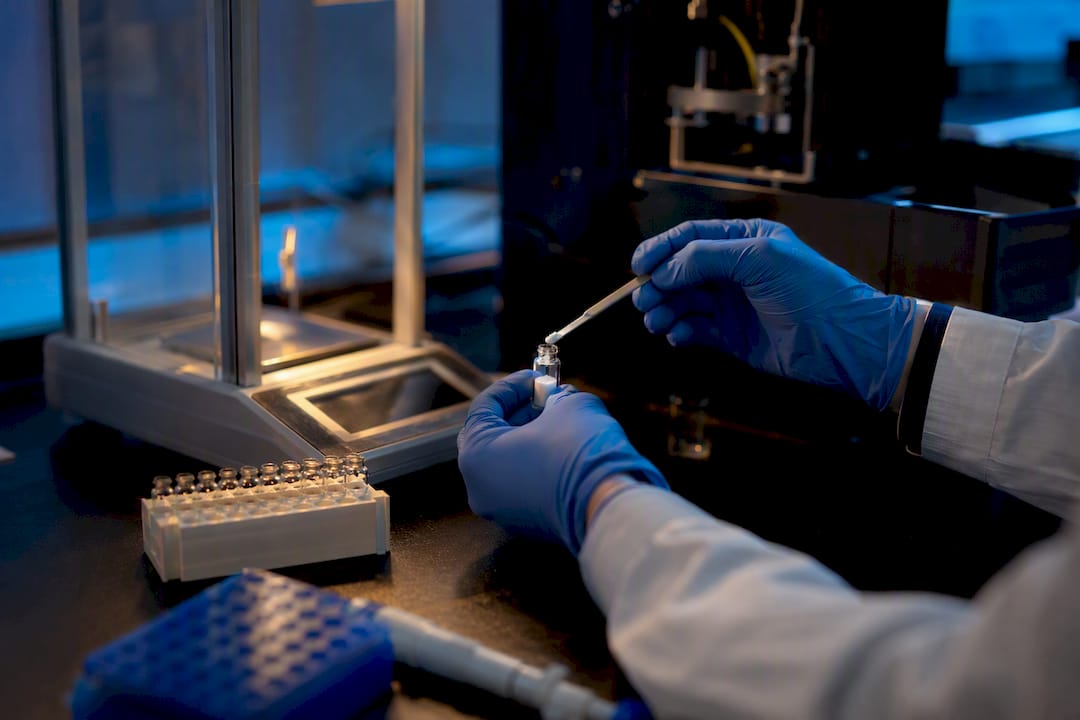
Require a full certificate of analysis with MS/MS peptide mapping, LC-HRMS raw data, a traceable batch number, and a documented retained-sample policy before accepting any GLP-1 agonist API or finished peptide for research use. A percentage on a label proves nothing on its own. GLP-1 agonist sourcing decisions live or die on whether the supplier can produce the underlying data behind that number, referenced against standards like ICH Q3A/Q3B for impurity thresholds.
When a supplier responds to your inquiry, three things happen in the first exchange:
Ask for raw chromatograms, not a summary PDF, covering both LC-UV and LC-HRMS runs.
Ask directly what the batch retention policy is and for how long samples are held.
If the vendor cannot produce MS raw data, insist on an independent third-party assay before any funds move.
A supplier that hesitates on any of these three points has told you something important before you have spent a dollar.
Key Takeaways
Reproducible GLP-1 agonist research depends on demanding raw MS/MS and LC-HRMS data, batch traceability, and retained samples instead of trusting a headline purity figure.
Point Details Demand raw data, not summaries Insist on native HRMS files, MS/MS spectra, and UV chromatograms, not rendered PDFs. Interpret purity as a range UV purity and MS purity can diverge sharply; low-abundance impurities need HRMS to surface. Match verification to supplier model Resellers need upstream COAs and audit summaries; direct API manufacturers shorten the chain of custody. Document research-only intent Keep an affidavit, retained split sample, and a nonconformance clause with every order. Choose suppliers built for transparency PeptidesFromChina aligns sourcing with batch traceability, retained samples, and independent verification support.
Standards And Application Notes Worth Keeping On File
ICH Q3A/Q3B, Q6A, and Q11 guidance for impurity thresholds and identity testing.
The Waters UNIFI LC-HRMS application note for impurity-library workflows.
The Agilent LC-MS peptide impurity note for method-transfer parameters.
Table of Contents
Minimum Acceptance Checklist For GLP-1 Agonist Peptide And API Purchases
What Analytical Methods Should You Request?
API Manufacturer, Reseller, Or Finished-Peptide Supplier?
Storage, Stability, And Shipping: What Should Arrive With The Order
Ordering Logistics: MOQ, Lead Time, And First-Batch Testing
Research-Only Compliance: What To Document With Every Order
Verifying A Batch On Arrival: A Step-By-Step Workflow
Where PeptidesFromChina Fits Into This Checklist
Frequently Asked Questions
Sources
Minimum Acceptance Checklist For GLP-1 Agonist Peptide And API Purchases
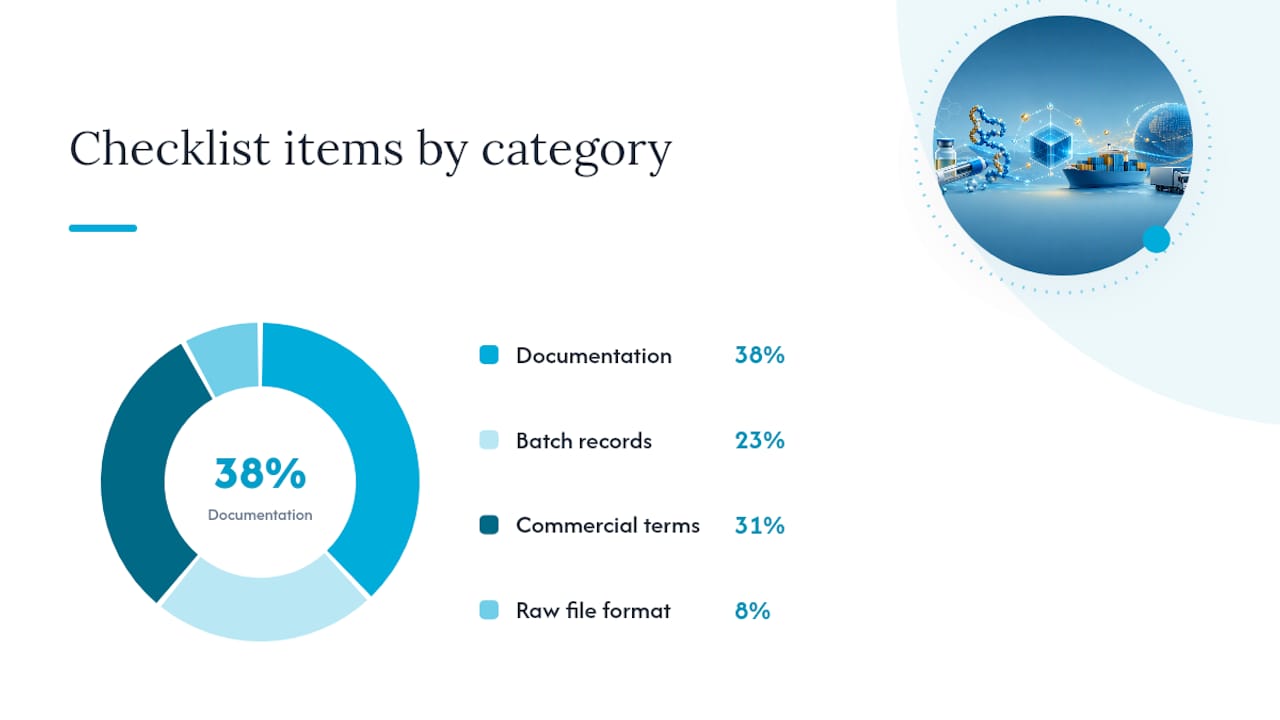
Score every quote against a fixed list rather than a gut feeling. The following items belong in a “no negotiate” column, meaning an offer that fails to produce them should be declined, not renegotiated.
Documentation the COA must contain:
Identity confirmation via MS/MS peptide mapping, not a single mass check.
Assay value calculated on a weight-basis comparison against a certified reference standard, per the approach FDA CMC reviewers expect for therapeutic peptides.
A full impurity profile listing individual impurities by percent relative abundance, not a single aggregate purity figure.
Chromatograms from both LC-UV and LC-MS runs, with visible baseline and integration parameters.
Stability data tied to a defined storage condition and an assigned expiry or retest date.
Batch and supply-chain records to demand:
A specific batch number that maps to a retained physical sample.
A statement of manufacturing model: is this an API manufacturer’s own batch, or a repackaged lot from a finished-peptide producer?
Notes on how the batch is tracked internally, whether through a LIMS, a chromatography data system export, or a simpler spreadsheet ledger.
Commercial terms to pin down early: minimum order quantity, realistic lead time (not the marketing number), a price-per-mg range across quantity breaks, and a separate cost estimate for independent sample testing.
Pro Tip: When requesting raw analytical files, specify the format up front: vendor CDS export, mzML/mzXML, or native HRMS instrument files. A supplier who sends a screenshot of a chromatogram instead of the underlying file has either lost the raw data or never generated it.
What Analytical Methods Should You Request?
A COA is only as good as the methods behind it, and different techniques prove different things. LC-UV (via HPLC or UPLC) gives you a fast, optical read on purity based on peak area, but it cannot distinguish co-eluting impurities that share a retention time with the main peak. Amino acid analysis confirms composition but not sequence order. MS/MS peptide mapping, by contrast, fragments the peptide and reconstructs its sequence, catching deletions, truncations, and unexpected modifications that a UV trace will never flag.
This is where optical and mass-spec purity figures diverge, sometimes sharply. One documented case using a Waters UNIFI LC-HRMS workflow found that purity measurements by UV and high-resolution mass spectrometry can differ significantly, revealing co-eluting species that UV detection alone may miss.
That gap is the reason LC-HRMS plus MS/MS mapping, not LC-UV alone, is the baseline for low-abundance impurity identification. Chromatographic method choice matters here too: mobile-phase modifiers like trifluoroacetic acid can suppress MS sensitivity, while formic-acid methods run on peptide-optimized stationary phases transfer more cleanly between UV and MS detection, according to Agilent’s peptide impurity analysis work.
Data to request from every vendor:
Raw HRMS files in native or mzML format, not a rendered PDF.
MS/MS spectra covering the full peptide mapping run, not selected fragments.
UV chromatograms with method parameters (column, gradient, flow rate) attached.
Pro Tip: Ask the vendor to identify and quantify any impurity at or above 0.1% relative abundance where the method allows it, and request replicate data or %RSD figures for peaks near the detection threshold. A lab confident in its data will have this on hand already.
API Manufacturer, Reseller, Or Finished-Peptide Supplier?
Not every “supplier” occupies the same position in the supply chain, and the model changes what verification you need to demand. A direct API manufacturer runs synthesis in-house and can hand you batch-specific analytical data straight from their own instruments. A contract manufacturer (CMO) synthesizes to a client’s specification, often under a private label, and should still produce equivalent batch records. A finished-peptide producer takes raw API and lyophilizes it into vials, adding a step where cross-contamination or mislabeling can occur if quality control is weak. A reseller or marketplace intermediary sells someone else’s batch, often without ever touching the material.
Direct API sourcing makes sense when you need bulk raw material and want the shortest possible chain of custody to the synthesis lab. A finished-peptide supplier is acceptable when they can produce the upstream manufacturer’s COA alongside their own vialing records and retained samples, not just their own paperwork.
Resellers require the most scrutiny. Demand the original manufacturer’s COA, not a relabeled version, along with any supplier audit summary or qualification documentation the reseller has on file. Standardized purification platforms and harmonized analytical packages across a manufacturer’s product line are a good sign of process maturity, since they tend to stabilize impurity profiles across batches.
Pro Tip: A reseller who cannot name their upstream manufacturer, or who gets vague when asked for raw HRMS files, is functionally asking you to trust a chain of custody you cannot see.
Storage, Stability, And Shipping: What Should Arrive With The Order
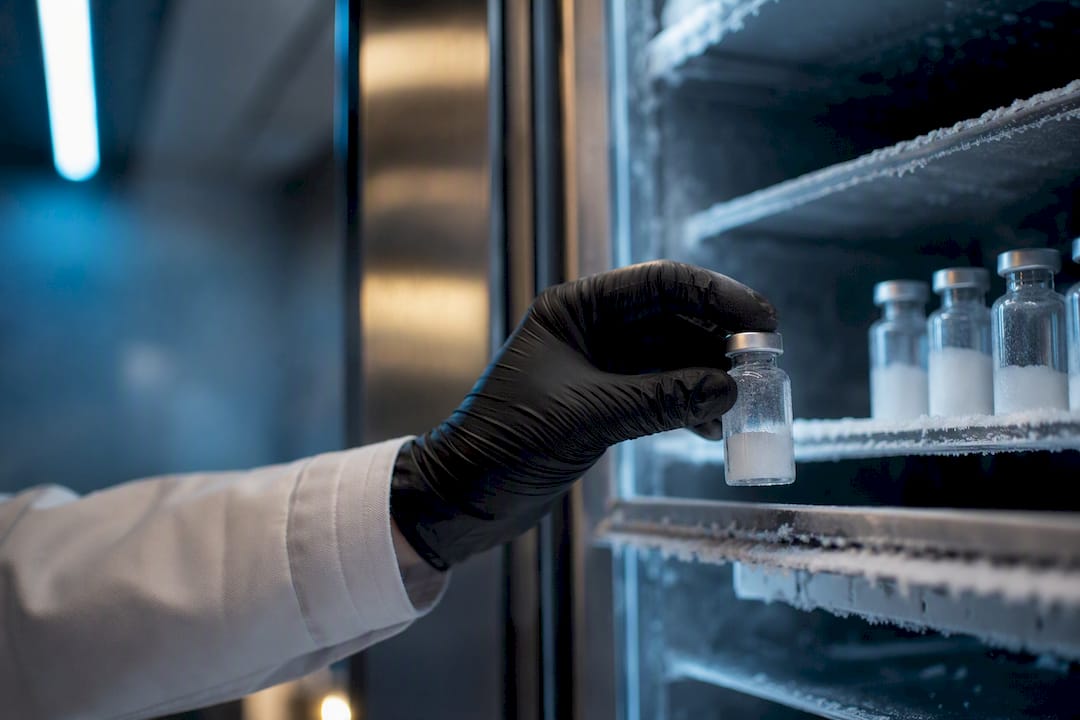
Lyophilized peptide vials and raw API powder carry different storage expectations, but both need documented conditions, typically frozen or refrigerated storage with desiccant protection and minimal exposure to ambient humidity. The COA should state an expiry or retest date tied explicitly to a storage condition, not a bare date with no context.
For cold-chain shipments, ask for a temperature logger report alongside the shipping manifest so you can confirm the material never excursed outside its stated range in transit.
On receipt, visually inspect vials for cake collapse, discoloration, or moisture intrusion before anything else.
Weigh vials against the stated fill weight to catch underfilling early.
Quarantine any shipment with an ambiguous temperature log or damaged packaging until it clears review.
Pro Tip: Keep a simple quarantine shelf, physical or logical, so an uncertain shipment never mixes with verified inventory while you wait on answers.
Ordering Logistics: MOQ, Lead Time, And First-Batch Testing
MOQ and lead time vary by model. Direct API manufacturers often set higher minimums but shorter turnaround once synthesis is scheduled, while finished-peptide suppliers may offer smaller MOQs at a price premium. Price per mg tracks sequence complexity, scale, salt form, and whether the peptide ships as raw powder or a vialed, lyophilized product.
Budget separately for independent verification. Third-party LC-HRMS and MS/MS peptide mapping runs are a real line item, and costs shift with turnaround speed and the number of impurities flagged for structural confirmation.
A workable first-batch strategy runs in three stages: review the vendor’s COA and raw files on paper first, run a quick in-house identity check, then send a split sample to an independent lab for confirmatory HRMS and impurity profiling before scaling the order.
Research-Only Compliance: What To Document With Every Order
Every purchase order should carry a short compliance package: a research-only intended-use statement, any contractual language addressing mislabeling or nonconforming batches, and shipping declarations where the carrier or destination requires them.
Keep a signed research-only affidavit or clause on file per order.
Retain a split of every batch independently of the vendor’s own retained sample.
Build a contract clause specifying remedy if third-party testing contradicts the vendor’s COA.
Treat any vendor marketing language implying patient use, dosing guidance, or therapeutic supply as a red flag, since that framing sits outside the research-only scope this sourcing process is built around.
Verifying A Batch On Arrival: A Step-By-Step Workflow
Review the COA and raw analytical files before the shipment even leaves the supplier’s facility.
On physical receipt, log the batch number, lot documentation, and file formats received into your LIMS or a supplier scorecard.
Run an in-house spot check, MALDI or a quick LC pass, to confirm gross identity and mass.
Send a retained split to an external lab for confirmatory HRMS and MS/MS peptide mapping.
If verification fails at any stage, quarantine the lot immediately and open a formal dispute with the vendor rather than proceeding on assumption.
Pro Tip: Escalation only works if you have documented the discrepancy in the vendor’s own file format alongside your third-party report, since a vague “results didn’t match” claim rarely resolves in your favor.
Why Impurity Profiling Matters More Than A Purity Number
Solvent residue is harmless; a reactive deletion fragment sitting at the same threshold is not, and it can quietly wreck reproducibility across a study. Demand the raw MS/MS evidence behind every purity claim, not the rounded number on the label.
Where PeptidesFromChina Fits Into This Checklist
Every requirement above, MS/MS peptide mapping, LC-HRMS raw data, batch traceability, and a real retained-sample policy, is the standard PeptidesFromChina builds its own supplier relationships around, rather than something bolted on for marketing purposes.
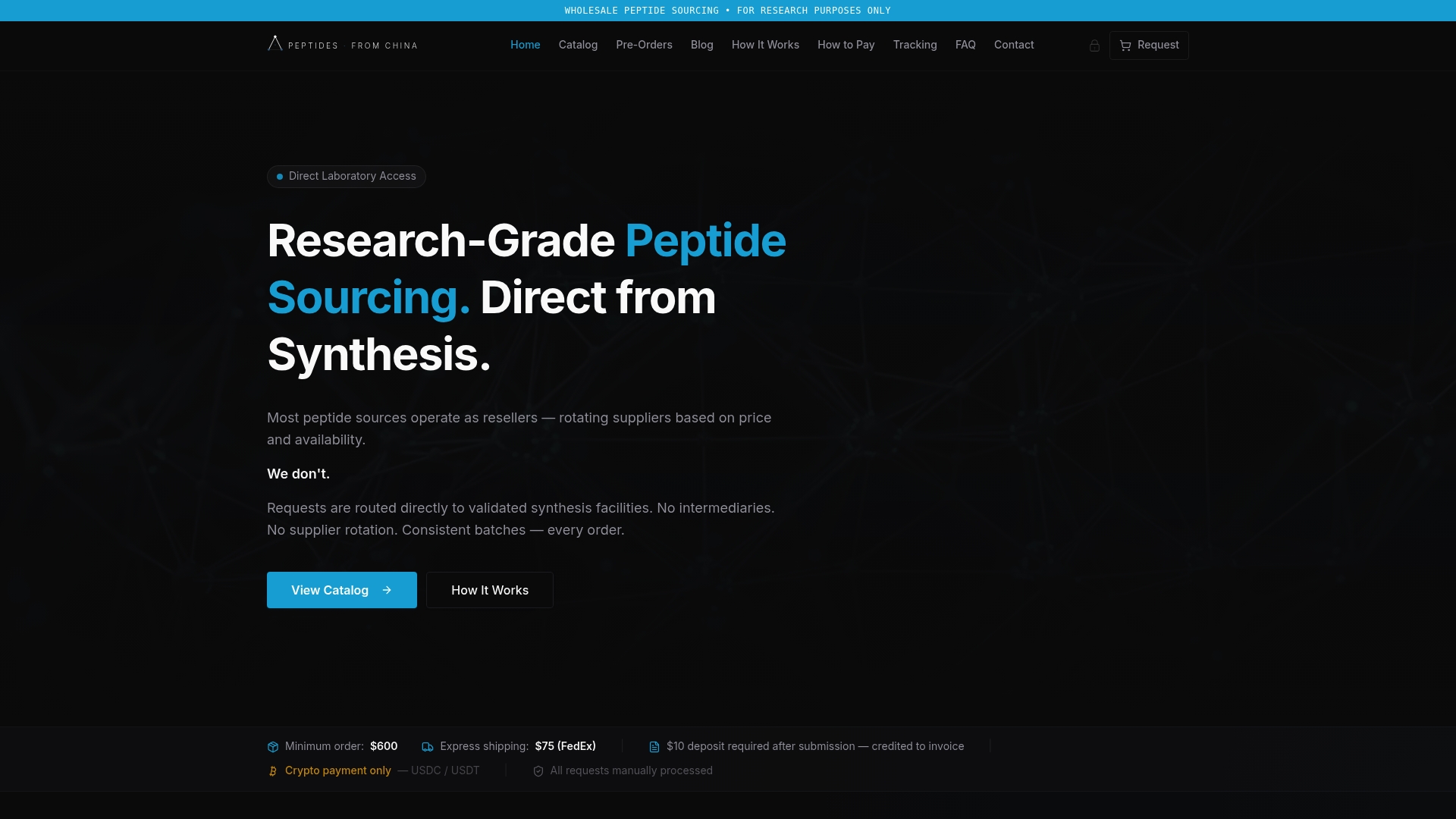
PeptidesFromChina works directly with synthesis facilities that can produce raw chromatograms and HRMS files on request, not just a finished COA PDF. The platform coordinates independent third-party assay verification when a buyer wants confirmation outside the manufacturer’s own lab, and retained samples stay tied to batch numbers so a dispute has something concrete to reference. If your team is evaluating GLP-1 receptor agonist research material against the checklist above, browse the research peptide catalog and request batch documentation before any payment moves forward.
Frequently Asked Questions
What is the single most important document to request when sourcing GLP-1 agonists for research? A complete COA with MS/MS peptide mapping and raw LC-HRMS files behind it. A summary purity number without the underlying spectra tells you almost nothing about impurity composition.
Why isn’t a 99% purity claim enough on its own? Because the remaining fraction could be inert solvent residue or a reactive deletion fragment, and only impurity profiling by HRMS distinguishes the two.
Should I buy raw API or a finished lyophilized vial? Raw API from a direct manufacturer gives the shortest chain of custody for bulk work; a finished-peptide supplier is fine if they provide the upstream manufacturer’s COA plus their own vialing and retained-sample records.
How do I handle a batch that fails independent verification? Quarantine it immediately, document the discrepancy against the vendor’s own file formats, and escalate through a predefined contractual clause rather than an informal dispute.
What analytical methods matter most for GLP-1 receptor agonist sourcing? LC-HRMS combined with MS/MS peptide mapping, backed by LC-UV/UPLC chromatograms and, where available, amino acid analysis for composition confirmation.
This article is general information, not a substitute for advice from a qualified doctor. Consult a qualified healthcare professional about your own circumstances before acting on anything here.
Sources
Analysis of a synthetic peptide and its impurities (Agilent application note)